Blood intoxication
The RadleysBlood intoxication is the powerful but unstable state produced by drinking vampire blood. It can ease pain and create euphoria, strength, and a feeling of limitless possibility; at the same time, it magnifies craving rather than bringing it to an end. The state therefore joins physical relief to a loss of restraint, making its short-term rewards inseparable from the risk of wanting more.
Effects on the body and mind
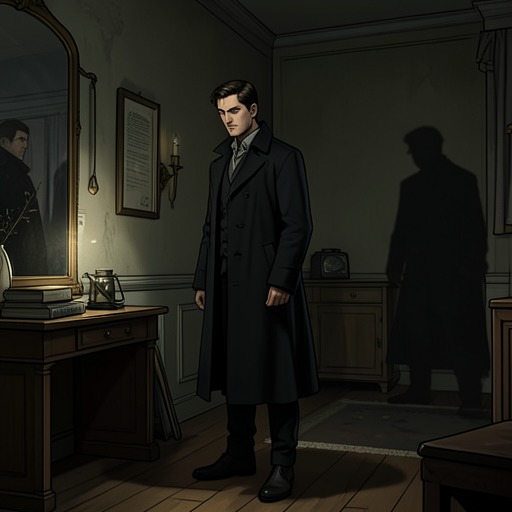
Peter Radley experiences the change after tasting blood for the first time in seventeen years. His strength returns, his aches recede, and he undergoes a physical transformation that he experiences as release. The effect is not merely restorative: blood narrows the distance between thought and action. Peter takes to the air and flies beyond the land over the North Sea, while villages and market towns below become clusters of light. The scene links intoxication’s exhilaration to a sudden freedom from ordinary limits.
The state also alters how possibility feels. Rowan Radley is told that blood craving can take over, bring great strength and a sense of power, and make a person believe that anything can be done or created. This account presents intoxication not as simple satisfaction but as an intensification of appetite and confidence. The stated principle is that blood magnifies cravings instead of satisfying them, so the feeling of release carries the danger of further dependence.
Different experiences of the blood high
Clara Radley’s response gives the intoxication a social and emotional register. After drinking, she enjoys the rush, giggles, and then breaks into louder laughter. The sequence shows pleasure escalating in the moment; it does not establish that the effect is lasting or that the craving has been resolved.
A later flight passage presents Rowan as less angry, clear-headed, and calm. He catches up with Toby Felt, takes hold of his jacket, and lifts him and the bicycle into the air with ease. The episode places a marked change in mood alongside extraordinary physical capacity. It does not, by itself, specify every cause of Rowan’s state, but it echoes the account of blood’s power to transform what a person feels able to do.
Temptation and restraint
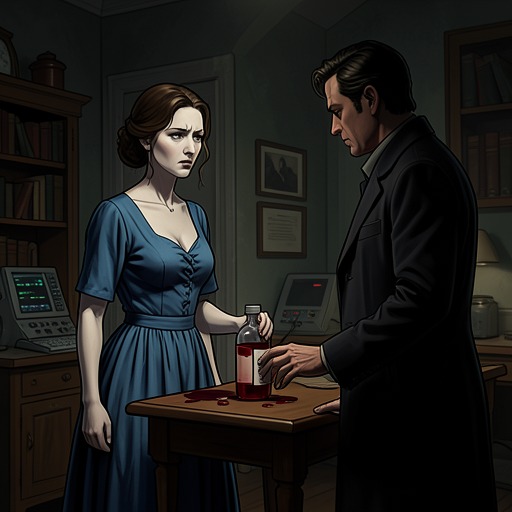
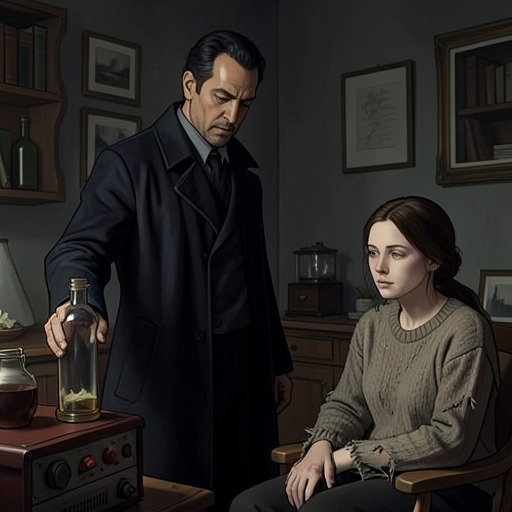
The narrative also follows blood’s presence before any confirmed act of drinking. Rowan consults the index of The Abstainer’s Handbook while listening to the Smiths album Meat Is Murder; the passage identifies page 140 as the location of information about blood, without specifying its contents. Later, he sits with a bottle of vampire blood cradled in his hands and, in another moment, picks the bottle up from a side table. These details make the blood a tangible temptation, while leaving the outcome of those particular gestures unstated.
Blood intoxication thus occupies an uneasy position between relief and danger. Peter’s experience shows the bodily release and extraordinary freedom it can bring; Clara’s laughter shows its immediate pleasure; the warning given to Rowan explains why those effects cannot be treated as a cure for craving. The bottle’s recurring presence places that contradiction in the room: blood promises power and release, even as the account of its effects makes clear that desire may grow stronger rather than disappear.